India’s esports scene is no longer just a hobby. As of 2024, the Indian esports market is valued at $67.8 million and projected to reach $307 million by 2030 with 500 million+ gamers, of whom 96.8% play on mobile (Source: 91Mobiles). New tournaments, sponsorships, and gaming organisations are launching every month.
But alongside this growth, the community also faces real challenges: most prize money is concentrated in just 3–4 games, many esports teams still struggle with long-term financial stability, and consistent player income outside the very top tier remains uncertain. Knowing this upfront will help you make a smarter choice about which game to pursue and how seriously to plan your path.
I’ve been covering esports since 2017 and playing PUBG from its earliest days tracking India’s competitive scene through every phase, from PUBG Mobile to BGMI to Valorant’s rise. This list of the top 10 esports games in India is built with those ground realities in mind, so you can pick the right game for your device, your budget, and your competitive goals.
4 Things Every Aspiring Competitive Gamer in India Must Consider
1. Your Device Budget Determines Your Game
India’s mobile-first gaming scene means your phone is often your entry point. But different games have very different hardware requirements:
- Under ₹20,000 phone (budget): Stick to lighter games like BGMI (on performance mode), Free Fire MAX, or CODM. Avoid PC-heavy titles.
- ₹20,000–₹40,000 (mid-range): You can comfortably run BGMI, CODM, and even try mobile MOBAs like Mobile Legends.
- ₹40,000+ or flagship Android/iPhone: Any mobile esports title, plus you can explore PC via budget setup if needed.
- PC (cybercafé or home): Valorant, CS2, and Dota 2 require consistent hardware but Indian cybercafés have improved access significantly.
2. Free vs. Pay-to-Win: Know What You’re Getting Into
BGMI, Valorant, Free Fire, and CODM all have free-to-play ranked modes. Cosmetics are paid, but competitive performance is skill-based. Always check if the game’s ranked/tournament mode is truly free before investing time.
3. The Family Background Reality Check
This is the part most gaming content skips but it matters. Scout Gaming’s Akshat Rathee, one of India’s most prominent esports executives, said it clearly in a 2021 interview: “Esports is high-risk. You need a financial safety net. If your family can support you for 2–3 years while you grind ranked and try qualifiers, you have a real shot. If not, treat it as a parallel passion while you build income elsewhere.”
This isn’t discouragement it’s strategy. The players who succeed in Indian esports tournaments typically come from families that can absorb the early grind period where prize money is irregular. If your background is tighter, it doesn’t mean you can’t compete it means you should build income streams alongside your gaming career (streaming, content creation, coaching) from Day 1.
4. The Pro Pathway: Open Qualifiers Are Your Entry Point
Every game on this list has a path from casual player to tournament competitor. The key question is: how open is the qualifier system? BGMI’s Masters Series, Valorant Challengers South Asia, and Skyesports tournaments all have open qualifier rounds where any team can enter. That’s your starting point.
RELATED POST- 10 Best Superstars You Need to Play As in WWE 2K26
Top 10 Esports Games in India for Casual Players Going Competitive
1. BGMI (Battlegrounds Mobile India)
If you’re starting from zero and want the fastest path to India’s esports ecosystem, BGMI is your answer.
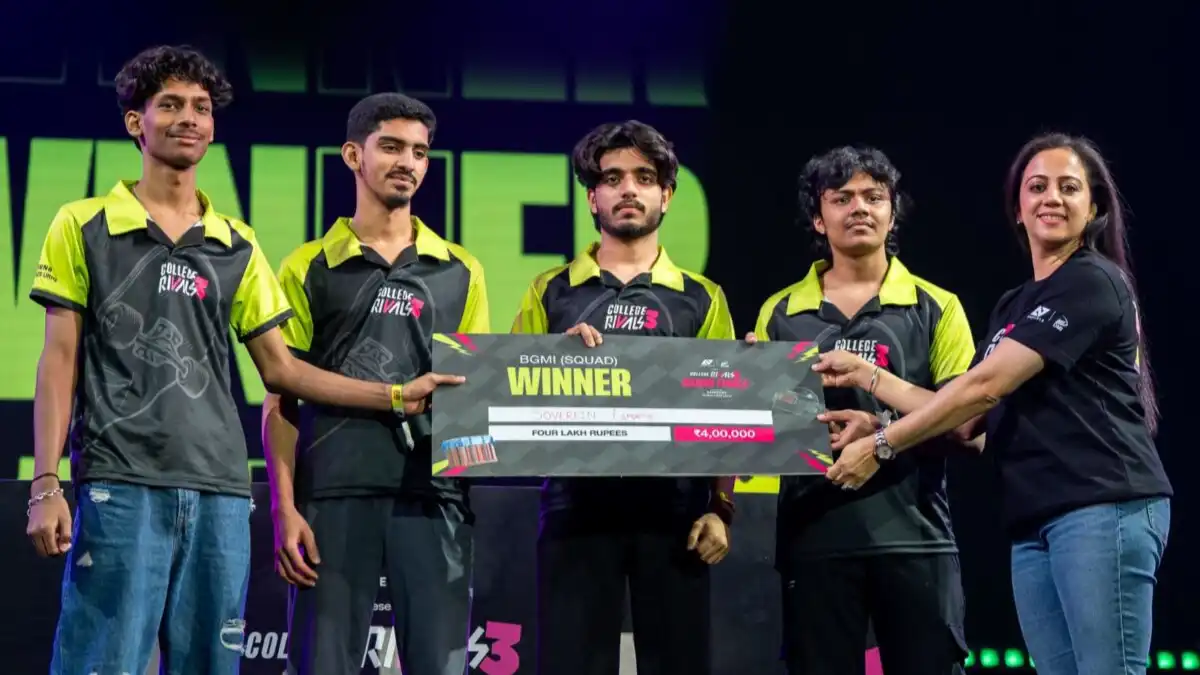
BGMI dominates India’s competitive mobile scene with a massive casual base, multiple ranked modes, and a direct pipeline to organized pro circuits. Tournament peaks have crossed 400,000 concurrent viewers that’s 20x more than any Indian PC esports event. The game has generated $3.8 million in Indian player earnings, with Indian players placing in the top 9 of 10 major international tournaments.
Start with Ranked matches in TPP/FPP mode. Hit Platinum/Diamond before attempting any open qualifier.
2. Valorant
Valorant is the fastest-growing PC esports title in India right now. Riot Games’ free-to-play FPS features Harbor, an Indian agent, which has genuinely connected the Indian gaming community to the game’s lore and identity.
The game is cybercafé-friendly, runs well on mid-spec PCs, and has a structured ranked ladder that feeds directly into Valorant Challengers South Asia the official regional circuit. India’s SA servers have improved significantly, and local orgs like Orangutan Gaming have started making noise internationally.
Indian cybercafés with gaming setups are a real option if you don’t have a PC at home.
RELATED POST- How to Increase Popularity in BGMI – Best Tips of 2026
3. Free Fire MAX
Free Fire MAX remains one of the most played mobile games in India, particularly in Tier 2 and Tier 3 cities. It runs smoothly on phones as low as ₹8,000–₹10,000, making it the most accessible competitive title in the country.
Garena runs the Free Fire India Series with open qualifiers, and the prize pools, while smaller than BGMI, are real and accessible. If your device can’t handle BGMI, Free Fire MAX is not a downgrade it’s a strategic starting point.
RLATED POST- Who Is the First Character in Free Fire
4. Call of Duty: Mobile (CODM)
CODM gives you Battle Royale AND 5v5 multiplayer in one game — two completely different competitive formats. The ranked modes for both are polished, and Activision runs the CODM World Championship with India-specific regional stages.
The game also runs well on mid-range devices and has a strong Indian content creator ecosystem, which helps with visibility if you’re building a brand alongside your competitive career.
RELATED POST- Top 10 Best eSports Teams in the World Right Now (2026 Rankings
5. Mobile Legends: Bang Bang (MLBB)
If Battle Royales aren’t your thing, MLBB is India’s most competitive mobile MOBA option. The game has a growing tournament circuit through MSC (Mobile Legends South Asia Championship) and Skyesports events.
MOBAs have a steeper learning curve but reward strategic thinking and teamwork skills that translate well to long-term esports careers.
RELATED POST- Most Influential Esports Players of BGMI in 2026
6. CS2 (Counter-Strike 2)
CS2 (the updated Counter-Strike) remains the gold standard for PC FPS esports globally. India’s CS scene is smaller than BGMI’s, but it’s growing and the players who dedicate to it often find international opportunities.
Valve’s free-to-play model and Premier ranked mode give direct MMR-based matchmaking, and ESL India Premiership is the main organized circuit.
RELATED POST- Top 10 Free Fire Youtubers in the World 2026
7. Pokémon UNITE
A surprise entry, but Pokémon UNITE has a legitimate competitive scene with TiMi Studio running official World Championships. The game is beginner-friendly, free-to-play, and works on both mobile and Nintendo Switch.
India has participated in UNITE World Championships, and the casual-to-competitive curve is gentler than any other title on this list. Best for newer Players to competitive gaming who prefer accessible mechanics.
RELATED POST- Best Sensitivity for Free Fire One Tap Headshot (OB52 Update) 2026
8. Dota 2
Dota 2 has produced more prize money globally than any other esports title. The barrier to entry is high the learning curve is brutal but Indian players have made it to The International (the world’s biggest esports tournament).
This is a long-term play. Don’t start here if you want quick results. But if you’re genuinely interested in deep strategic gaming, Dota 2’s open qualifier system and the South Asian server ecosystem make it viable. Best for PC MOBA Enthusiasts with Long-Term Vision.
RELATED POST- What is the PUBG MOBILE x Peaky Blinders Collaboration?
9. Clash Royale
Clash Royale’s competitive scene flies under the radar, but Supercell runs the Clash Royale League (CRL) with significant global prize pools. The game runs on virtually any smartphone and requires zero download size for initial play.
It’s not as high-profile as BGMI or Valorant, but for players with limited devices or data, it’s a real competitive option with an established circuit. Best for Hyper-Casual Competitive on Any Device.
10. Battlegrounds PC (PUBG PC / Steam)
The OG PUBG on PC is still part of India’s competitive circuit, particularly through PUBG Continental Series. If you’re on a PC and prefer the classic Battle Royale format, this is the PC equivalent of BGMI.
Note: Many BGMI pros also compete in PUBG PC events the mechanics are nearly identical, so your BGMI skills directly transfer. Best for PC Battle Royale.
Which Game Suits You?
| Game | Platform | Min Budget | Difficulty | Pro Path Strength |
| BGMI | Mobile | ₹20,000 | Medium | ⭐⭐⭐⭐⭐ |
| Valorant | PC | ₹35,000+ | High | ⭐⭐⭐⭐⭐ |
| Free Fire MAX | Mobile | ₹8,000 | Low | ⭐⭐⭐⭐ |
| CODM | Mobile | ₹15,000 | Medium | ⭐⭐⭐⭐ |
| MLBB | Mobile | ₹12,000 | Medium | ⭐⭐⭐ |
| CS2 | PC | ₹40,000+ | High | ⭐⭐⭐⭐ |
| Pokémon UNITE | Mobile/Switch | ₹15,000 | Low | ⭐⭐⭐ |
| Dota 2 | PC | ₹40,000+ | Very High | ⭐⭐⭐⭐ |
| Clash Royale | Mobile | Any | Low | ⭐⭐⭐ |
| PUBG PC | PC | ₹45,000+ | Medium | ⭐⭐⭐⭐ |
My Recommendation: Start with BGMI, Then Expand
After 7 years in this space and having watched BGMI grow from PUBG Mobile’s roots into India’s dominant esports title my honest advice is this:
- • If you’re on mobile: Start with BGMI. The ranked system, tournament structure, and Indian esports community are all built around it.
- • If you’re on PC: Valorant is your best first step. Free-to-play, structured, and rapidly growing in South Asia.
- • If your phone is budget (under ₹15,000): Free Fire MAX, then work your way up.
- • If you want global exposure fastest: BGMI → international PUBG Mobile circuits.
Ready to Make It Official? Get Your Esports Certificate
If you’re serious about going competitive, one step that many Indian players overlook is getting officially recognized in the esports ecosystem. I’ve written a detailed guide on how to get an esports certificate in India covering what it is, why it matters for tournament registrations and org applications, and exactly how to get one step by step.
Final Word
India’s esports market is at an inflection point. Infrastructure investment is growing at 20% CAGR, the government is increasingly recognizing esports as a legitimate sport, and mobile is giving millions of casual players a real entry point into competitive gaming.
The opportunity is real. But so is the grind. Pick the right game for your device and situation, build your ranked performance consistently, and enter open qualifiers before you worry about anything else. That’s the path for casual players who want to actually compete.
Have questions about which game to start with, or want to know more about the competitive pathway? Drop them in the comments below I read every one.
Frequently Asked Questions
BGMI has the lowest barrier because of its open qualifier system, massive Indian player base, and mobile accessibility. Free Fire MAX is even more accessible for budget device users.
Yes. India’s most popular esports titles BGMI, CODM, Free Fire MAX are all mobile-first. You need a decent mid-range Android or iPhone, not a PC rig.
Indian esports players have collectively earned over $7.8 million across 1,226+ tournaments.
Not initially. Open qualifiers are open to self-formed teams. Sponsors and org contracts typically come after you’ve proven performance in at least 2–3 organized tournament circuits.
Not until you have consistent tournament income. The realistic path is 12–18 months of serious grinding in ranked + open qualifiers before income becomes predictable.